
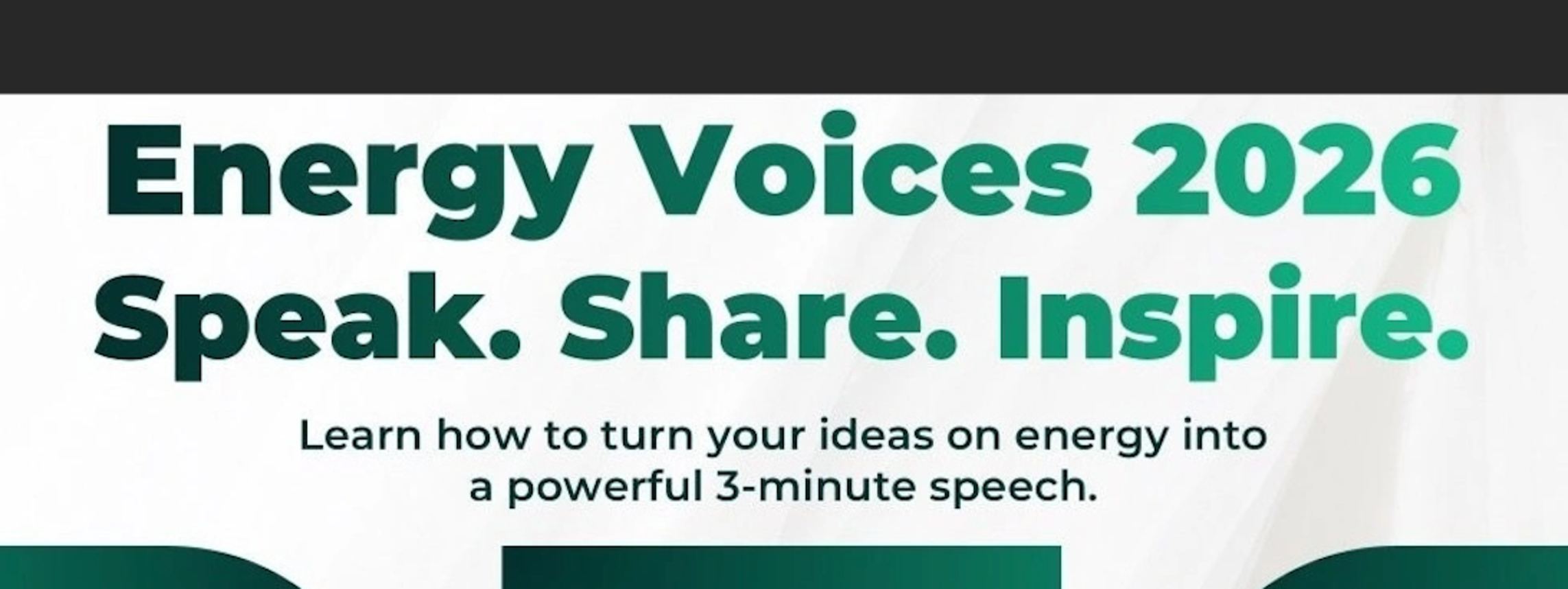
When Energy Became Personal: Energy Voices 2026
When Energy Became Personal: What Energy Voices 2026 Revealed About Ukraine, Storytelling, and the Need for Young Voices in Europe’s Energy Conversations
By: Ruth Adaeze Chigbo
Europe Regional Ambassador - Switch Ambassador Network
what was initially designed as a virtual speaking event focused on energy, sustainability, and
communication. Participants joined expecting discussions about climate challenges, innovation, and public speaking. What emerged instead was a much more emotional and deeply human conversation about insecurity, resilience, inequality, and the role storytelling plays in helping people understand the realities hidden behind energy statistics.
Throughout the event, one theme became increasingly clear: energy conversations are often
discussed in ways that feel distant from ordinary life, even though energy itself shapes almost every aspect of daily existence. Electricity powers hospitals, schools, transportation systems, internet access, heating, food storage, communication, and public infrastructure. Yet despite how essential energy is, many people only begin to fully understand its importance when access becomes unstable or unaffordable.
This became particularly evident during the discussion focused on Ukraine, which ultimately
shaped the emotional center of the event.
As EU Regional Ambassador for Switch Energy Alliance, organizing Energy Voices 2026 was never only about creating another youth event. The intention behind the program was to create a space where young people, especially non-native English speakers, could feel comfortable participating in conversations they are often excluded from because they believe they lack expertise, confidence, or perfect communication skills. In reality, many young people already carry valuable insights into energy challenges because they live through the social and economic consequences of those challenges every day.
Designing an Event Around Human Connection Rather Than Expertise
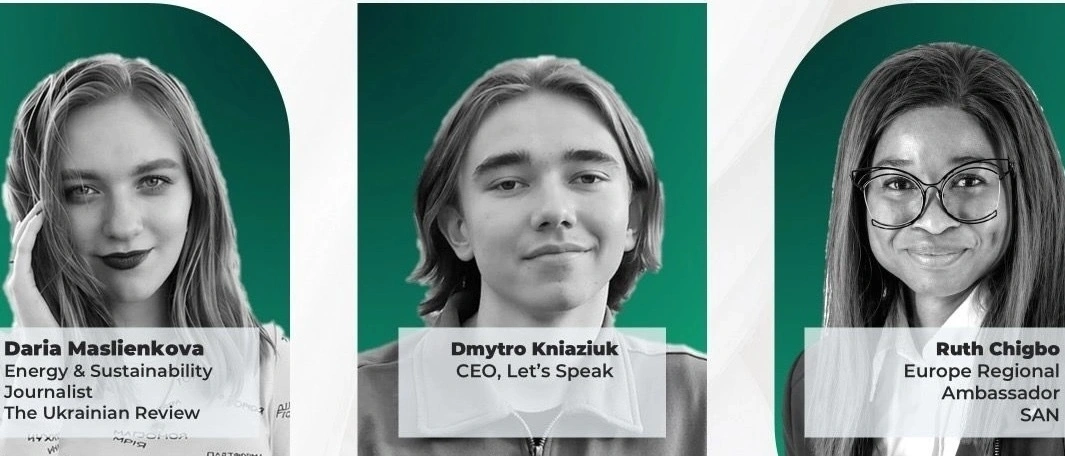
One of the most important discussions during the planning phase centered around accessibility: not technological accessibility, but emotional accessibility. While developing the concept for Energy Voices 2026, I worked closely with Dmytro Kniaziuk, CEO of Let's Speak and co-host of the event alongside EU NEIGHBOURS east. From the beginning, we shared concerns about how many sustainability and energy events unintentionally create intimidating environments for young participants.
Energy discussions are frequently dominated by policy language, technical terminology, and
highly academic conversations. Although these discussions are important, they can also create the impression that only experts deserve to speak about energy issues. For young people, particularly those communicating in a second or third language, this often creates hesitation and self-doubt.
Together, we wanted to approach the event differently. Rather than organizing a traditional webinar focused entirely on technical presentations, we wanted participants to connect energy discussions with personal experiences and human realities. Dmytro contributed significantly to shaping the event around storytelling and conversational engagement rather than formal performance. The idea was to help participants understand that energy issues are not separate from ordinary life experiences: they are deeply connected to education, financial security, health, opportunity, and dignity. This approach changed the atmosphere of the event almost immediately. As participants became more comfortable sharing stories and reflections rather than trying to sound academically perfect, the discussions became more honest, emotional, and engaging.
Why the Discussion About Ukraine Resonated So Deeply
One of the most impactful moments during Energy Voices 2026 came during Daria Maslienkova’s session examining energy through the lens of Ukraine’s ongoing realities. For many participants, this discussion transformed their understanding of energy insecurity from an abstract concept into something deeply human.
Since the beginning of the large-scale invasion in 2022, Ukraine’s energy infrastructure has
experienced repeated attacks that affected millions of civilians. According to the International
Energy Agency (IEA), by 2024, nearly half of Ukraine’s energy infrastructure had suffered damage or destruction due to attacks targeting electricity generation and transmission systems. The United Nations Development Program also reported that attacks on energy
facilities significantly disrupted access to heating, water supply, healthcare, and
communication systems across several regions. While statistics provide scale, the reality becomes more powerful when viewed through everyday life.
In many Ukrainian cities, scheduled blackouts became part of normal daily routines. Families
had to organize work, education, cooking, and communication around unpredictable electricity availability. During winter months, when temperatures frequently dropped below freezing, power outages created serious risks for elderly people, children, and vulnerable households.
Hospitals increasingly relied on generators to continue surgeries and emergency care during
electricity interruptions. According to the World Health Organization (WHO), healthcare
facilities across Ukraine faced ongoing risks connected to unstable electricity access, particularly during periods of intensified attacks on infrastructure. Students also experienced major disruptions. UNICEF estimated that millions of children across Ukraine faced disruptions to education because schools, homes, and internet systems were repeatedly affected by power outages and infrastructure damage. For many students, online learning became difficult or impossible during blackout periods, creating long-term educational consequences.
During the session, participants reflected on how energy insecurity creates emotional and
psychological stress that is often overlooked in policy discussions. The inability to predict
whether heating, lighting, or communication systems will function consistently creates
constant uncertainty for families already living through crisis conditions. What made the discussion particularly powerful was that participants from different countries immediately began connecting Ukraine’s experiences to energy-related struggles within their own communities.
Some participants discussed how rising electricity and heating prices across Europe have
forced households to reduce energy use during winter. According to the European
Commission Energy Poverty Advisory Hub, approximately 41 million Europeans were unable
to keep their homes adequately warm even before the recent energy price crisis intensified
living costs across the continent.
Others reflected on unreliable electricity systems in their home countries and how energy
instability affects education, business opportunities, healthcare access, and public safety.
The discussion gradually evolved into something larger than Ukraine itself. It became a
broader reflection on how energy insecurity affects people socially, emotionally, and
economically across different regions of the world.
Why Storytelling Changed the Conversation
One of the strongest lessons from Energy Voices 2026 was understanding why storytelling
matters so much in discussions about sustainability and energy. Statistics are essential for understanding scale and urgency, but stories help people emotionally connect with those realities.
Hearing that millions of Europeans struggle with energy poverty is important. However,
hearing a participant describe grandparents limiting heating use during winter because of
rising costs creates an emotional understanding that statistics alone rarely achieve. Similarly, reading reports about electricity shortages is very different from listening tostudents explain how blackouts interrupted their ability to study, attend online classes, or communicate with family members.
Throughout the event, participants used storytelling to connect policy discussions with lived
experiences. Some participants focused on personal stories connected to rising living costs and housing insecurity. Others spoke about sustainability innovation, climate anxiety, or social inequality. Several participants discussed how energy access directly shapes opportunities available to young people. What made these conversations engaging was not polished perfection or technical expertise. It was sincerity and relatability. As participants became more comfortable speaking openly, the atmosphere shifted from formal presentations into genuine dialogue.
Communication, Confidence, and Leadership
This connection between storytelling and leadership became central during Tatianna Cannon’s session focused on communication and public speaking. Her contribution resonated strongly because she challenged the idea that effective communication requires perfection. Many participants joined the event feeling nervous about speaking publicly in English, worrying that mistakes or accents would reduce the value of their contributions. Instead, participants were encouraged to think about communication as a tool for connection rather than performance.
One of the strongest ideas from the session was that storytelling becomes powerful when
people speak authentically about experiences that others can recognize emotionally. Participants gradually realized that audiences are often more interested in honesty and relatability than perfect grammar or memorized speeches.
This shift became visible throughout the event. Participants who initially kept cameras off or
avoided speaking became more engaged as discussions progressed. Some who seemed hesitant at the beginning later delivered thoughtful, emotionally impactful presentations on energy insecurity, sustainability challenges, and youth experiences.
The transformation happening during the event reflected something larger about youth
participation in sustainability conversations today. Many young people already care deeply
about climate, energy, and social issues, but they often underestimate the value of their own
perspectives because they believe expertise must come before participation. Energy Voices 2026 attempted to reverse that assumption by creating a space where participation itself could help build confidence.
Why This Conversation Matters Beyond One Event
The urgency behind conversations like Energy Voices 2026 continues to grow across
Europe and beyond.
According to Eurostat and EU energy monitoring reports, rising energy costs over recent
years have increased pressure on households across multiple European countries, particularly affecting low-income families, students, elderly populations, and vulnerable communities. Energy poverty is no longer a marginal issue affecting isolated groups. It is becoming a broader social challenge connected to inflation, housing inequality, climate transition policies, and geopolitical instability.
At the same time, younger generations are increasingly expected to participate in
discussions about sustainability, innovation, and the future of energy systems. Yet many still
feel excluded from these conversations because of educational, linguistic, or social barriers.
This is why spaces centered around accessible dialogue and storytelling matter.
When people are encouraged to speak before they feel completely “ready,” participation
becomes more inclusive, conversations become more representative, and sustainability
discussions become more connected to real human experiences.
Looking Ahead
Energy Voices 2026 was never intended to end after one virtual gathering. Following the event, participants and organizers launched the #EnergyStories TikTok series to continue encouraging conversations around energy, sustainability, and lived experiences in formats that are accessible to younger audiences.
The intention behind the initiative is not simply to create online content, but to normalize
open conversations about energy insecurity, sustainability challenges, and youth experiences in ways that feel relatable rather than distant or overly technical. Because ultimately, the future of energy conversations depends not only on technology or policy, but also on whether people feel included enough to participate in shaping those conversations themselves.
And perhaps that is the most important lesson Energy Voices 2026 offered: People do not need perfect expertise before entering important conversations. Sometimes they simply need a space where their experiences, perspectives, and stories are treated as valuable from the beginning.