
The Rise of Energy-Positive Communities: What Happens When Communities Become Power Producers?
Published on June 21, 2026
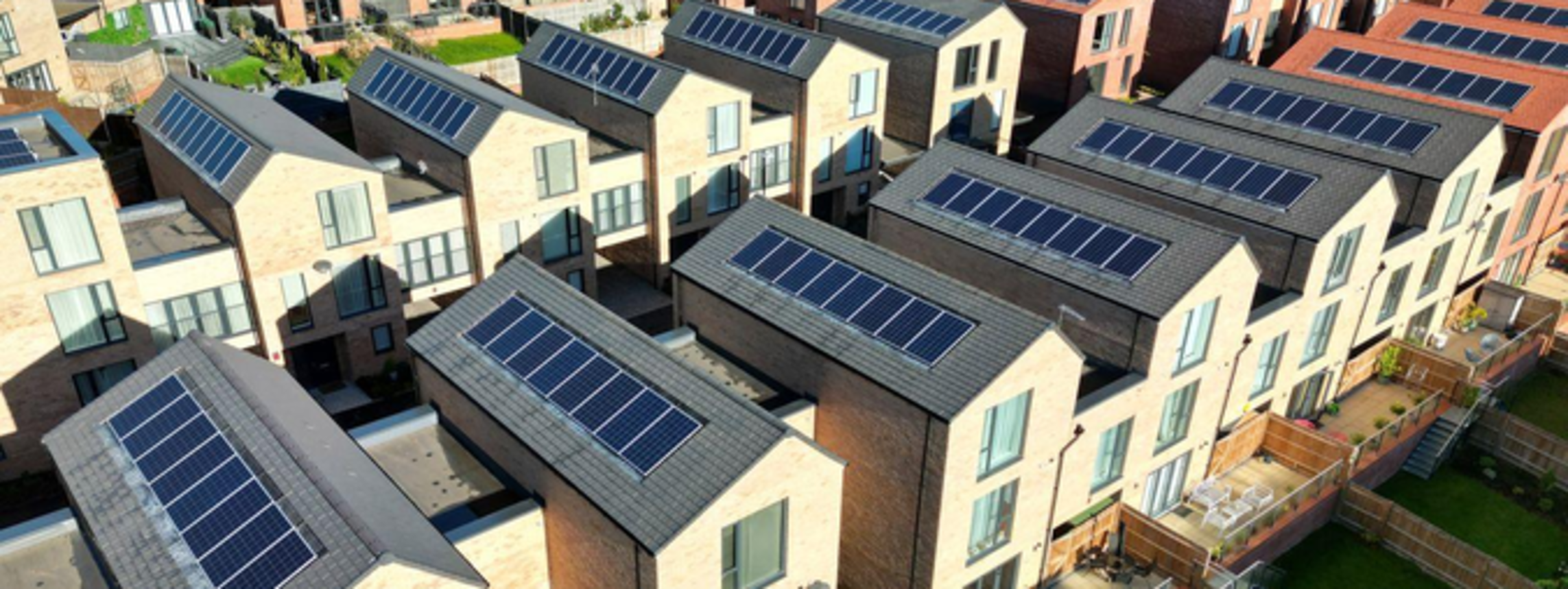
For decades, communities were designed to consume electricity. Today, advances in rooftop solar, battery storage, biogas, geothermal energy, and smart grids are enabling communities to generate more energy than they use.
Instead of relying solely on centralized utilities, future neighborhoods can produce electricity locally, meet their own demand, and sell surplus power back to the grid. Energy is no longer just a utility—it is becoming a source of economic value and community resilience.
From reducing emissions and lowering electricity costs to improving energy security, energy-positive communities are redefining the way we think about urban development.
Why It Matters for Students?
The next generation of engineers, energy professionals, and project managers may not just build power plantsthey may design entire self-sustaining communities that integrate energy, water, waste, and infrastructure into a single ecosystem.
The Question
Should future urban developments be required to generate a portion of their own energy, or should energy production remain centralized?
We would love to hear your thoughts!